Solar Products · Air Conditioners
Solar-Powered Air Conditioning
Stay comfortable while reducing how much grid electricity your cooling uses. This guide explains how solar air conditioning works, the types of systems available, and what to consider when planning solar-powered cooling for your home or business.
Overview
Cooling and Sunshine Peak Together
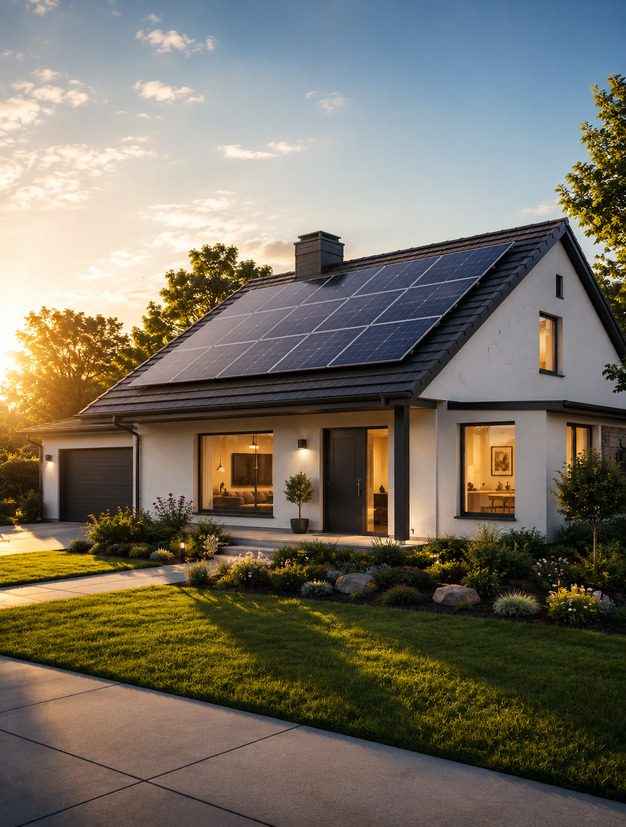
Air conditioning is often the single largest electricity load in a building during warm months. The good news: the hottest, sunniest hours of the day are also when solar panels produce the most power.
That natural overlap makes air conditioning one of the best-matched loads for solar. A correctly sized system can offset much of the energy your cooling uses during the day, and with battery storage it can keep running into the evening or through outages.
Getting it right depends on matching the air conditioner, the solar array and any storage to the space being cooled and how it’s used.
System Types
Types of Air Conditioning Systems
Air conditioners come in many formats. These are the most common types and where each one typically fits.
Ductless Mini-Split Systems
A wall-mounted indoor unit connected to an outdoor compressor. Efficient, quiet and well suited to individual rooms, offices and additions without ductwork.
Multi-Zone Mini-Splits
One outdoor unit serving several indoor units, so different rooms can be cooled to different temperatures from a single system.
Hybrid Solar AC/DC Units
Air conditioners designed to draw power directly from solar panels during the day and switch to grid or battery power when solar output drops.
Ceiling Cassette & Ducted Units
Concealed or ceiling-mounted systems that distribute air evenly across larger open spaces such as offices, retail floors and worship halls.
Central Air Systems
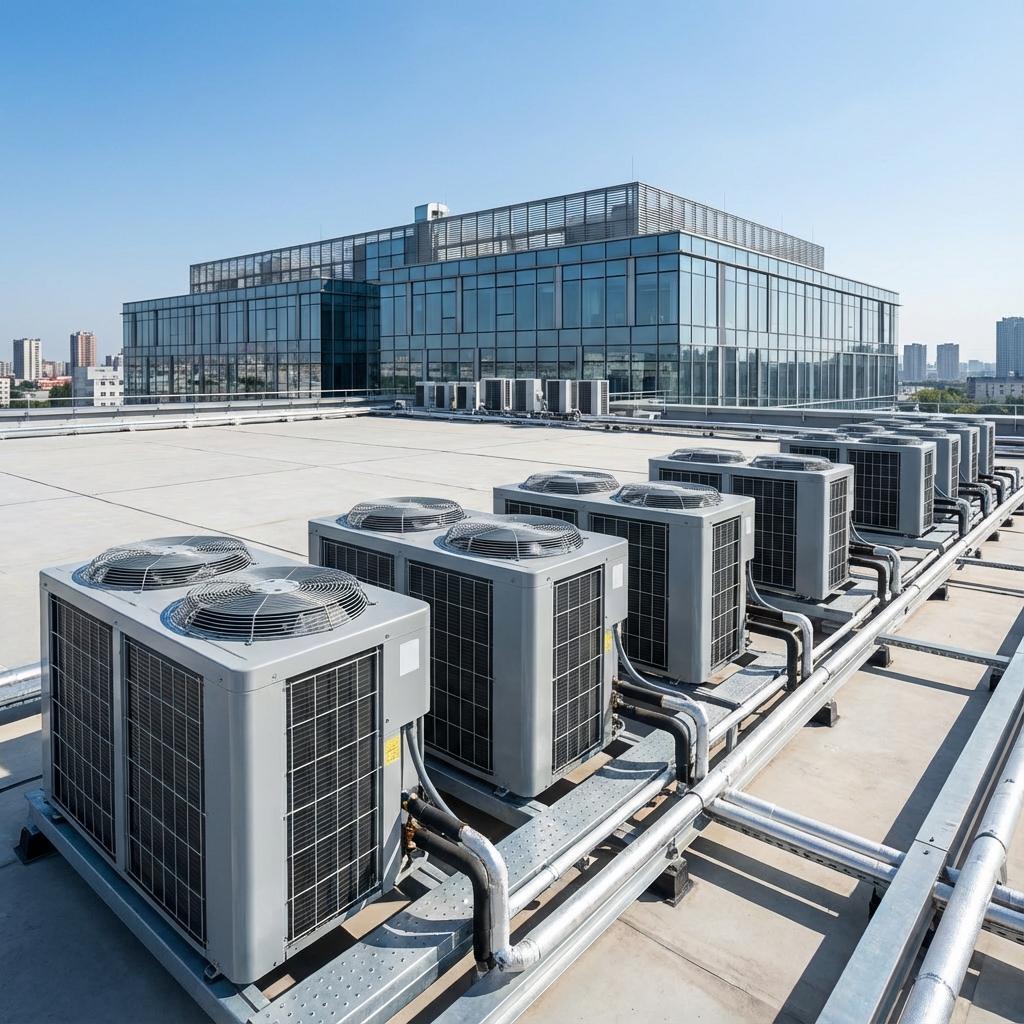
Whole-building cooling through ductwork. Pairing central air with solar typically requires a larger array, and high-efficiency equipment makes a meaningful difference.
Window & Portable Units
Lower-cost options for single rooms. They are generally less efficient than mini-splits, which means more solar capacity is needed for the same cooling.
How It Works
How Solar Air Conditioning Works
A solar air conditioning setup combines the cooling equipment with the system that powers it. Here’s how the pieces fit together.
Solar panels generate power
Panels produce the most electricity during the hottest, sunniest part of the day.
An inverter converts the power
The inverter turns DC power from the panels into AC power the air conditioner can use. Hybrid units may accept DC directly.
Batteries store extra energy (optional)
Surplus daytime energy can be stored to run cooling into the evening or during outages.
The air conditioner cools the space
The unit draws from solar first, then from batteries or the grid as needed.
The grid fills the gaps
Grid-connected systems draw from the utility when solar and storage aren’t enough.
Compressor Technology
Inverter vs Fixed-Speed Air Conditioners
The type of compressor has a big effect on how much energy an air conditioner uses and how easily it can run on solar.
Inverter (Variable-Speed)
The compressor adjusts its speed to match the cooling needed instead of switching fully on and off.
- Lower overall energy use
- Gentle startup with a small power surge
- Steadier temperatures and quieter operation
- Generally the better match for solar and battery systems
Fixed-Speed (Conventional)
The compressor runs at full power until the target temperature is reached, then switches off.
- Lower upfront equipment cost
- Higher energy use from repeated on/off cycling
- Large startup surge that the inverter must handle
- Usually requires a larger solar and storage system
Applications
Where Solar Air Conditioning Fits
Solar-powered cooling can work well across many building types, especially those used mostly during the day.
Homes
Comfortable living spaces with lower summer energy bills.
Offices
Daytime cooling that lines up closely with solar production hours.
Retail Stores
Comfortable shopping environments during business hours.
Restaurants & Hospitality
Cooling for dining areas, lobbies and guest spaces.
Houses of Worship & Community Spaces
Large gathering areas used at scheduled times.
Equipment & Server Rooms
Spaces where electronics need a stable temperature.
Before You Choose
Key Considerations for Solar Cooling
A well-planned system keeps your space comfortable without overspending on equipment. These factors help determine the right air conditioner and solar configuration for your property.
Room size & cooling load
The area to be cooled, measured in square feet, determines the capacity needed, usually expressed in BTUs or tons.
Energy efficiency rating
Higher SEER2 ratings mean less electricity for the same cooling, which reduces the solar capacity required.
Insulation & sun exposure
Poor insulation, large windows and west-facing walls all increase cooling demand.
Occupancy & internal heat
People, lighting, cooking and equipment all add heat the system must remove.
Operating hours
Daytime-only cooling aligns with solar production; evening and overnight use usually requires batteries or grid power.
Startup surge
Compressors draw extra power at startup, which the inverter and battery system must be able to handle.
Grid-tied, battery or off-grid
Your setup determines how cooling is powered when the sun isn’t shining.
Efficiency Tips
Reduce Your Cooling Load
The less energy your air conditioning needs, the smaller and more affordable your solar system can be. Simple steps can make a real difference.
Set Sensible Temperatures
Each degree higher on the thermostat reduces cooling energy. Smart or programmable thermostats help automate it.
Add Shade
Blinds, window film, awnings and trees reduce heat entering through windows and walls.
Seal & Insulate
Sealing gaps and improving insulation keeps cool air in and hot air out.
Maintain Your Equipment
Clean filters and coils and schedule regular servicing so the system runs at its rated efficiency.
Benefits
Benefits of Solar Air Conditioning
Actual results depend on the equipment, system design, building and how the space is used.
Lower Cooling Costs
Solar can offset a large share of the electricity your air conditioning uses, depending on system size and usage.
Production Matches Demand
Solar output is highest on hot, sunny days, exactly when cooling demand peaks.
Comfort During Outages
With battery storage, cooling can continue when grid power is interrupted.
Cleaner Energy Use
Powering cooling with solar reduces reliance on fossil-fuel generation.
Solar Financing
Explore Financing for Your Solar Project
For customers who prefer not to cover the full installation cost upfront, Star Solar can connect qualified customers with independent third-party financing providers.
Financing approval, terms, rates, and eligibility are determined by the independent financing provider.
FAQ
Air Conditioning FAQs
Can solar panels run an air conditioner?
Yes. A correctly sized solar system can power an air conditioner, especially during the day when solar production is highest. Running it at night or during outages requires battery storage or a grid connection.
Do I need a special air conditioner for solar?
Not necessarily. Most air conditioners can run on a solar system through an inverter. However, high-efficiency inverter models and hybrid solar units use less energy, which can reduce the size of the system you need.
How many solar panels does an air conditioner need?
It depends on the unit’s size and efficiency, how many hours it runs, your local sunlight and whether the system powers other loads. Our team can help estimate this during an assessment.
Can I run air conditioning at night on solar?
Yes, with battery storage sized for your evening usage. Without batteries, grid-connected systems draw from the utility after sunset.
Can I add solar to my existing air conditioning?
In many cases, yes. Solar can power your existing system, though older, less efficient units may require a larger system. Upgrading to a more efficient unit can sometimes be the more cost-effective option.
How do I get started?
Contact the Star Solar Energy team with details about the spaces you want to cool, your current equipment and how you use it. We’ll help you understand the options that may fit your property.
Ready to Cool Smarter With Solar?
Tell us about the spaces you want to cool, your current equipment and how you use it. Our team will help you understand the solar air conditioning options that fit your property.