Solar Products · Agriculture
Solar Freezer Rooms for Agriculture
Keep meat, fish and other frozen products safely frozen with storage powered by the sun. This guide explains how solar freezer rooms work, what they can store, and what to consider when planning frozen storage for your agricultural or food business.
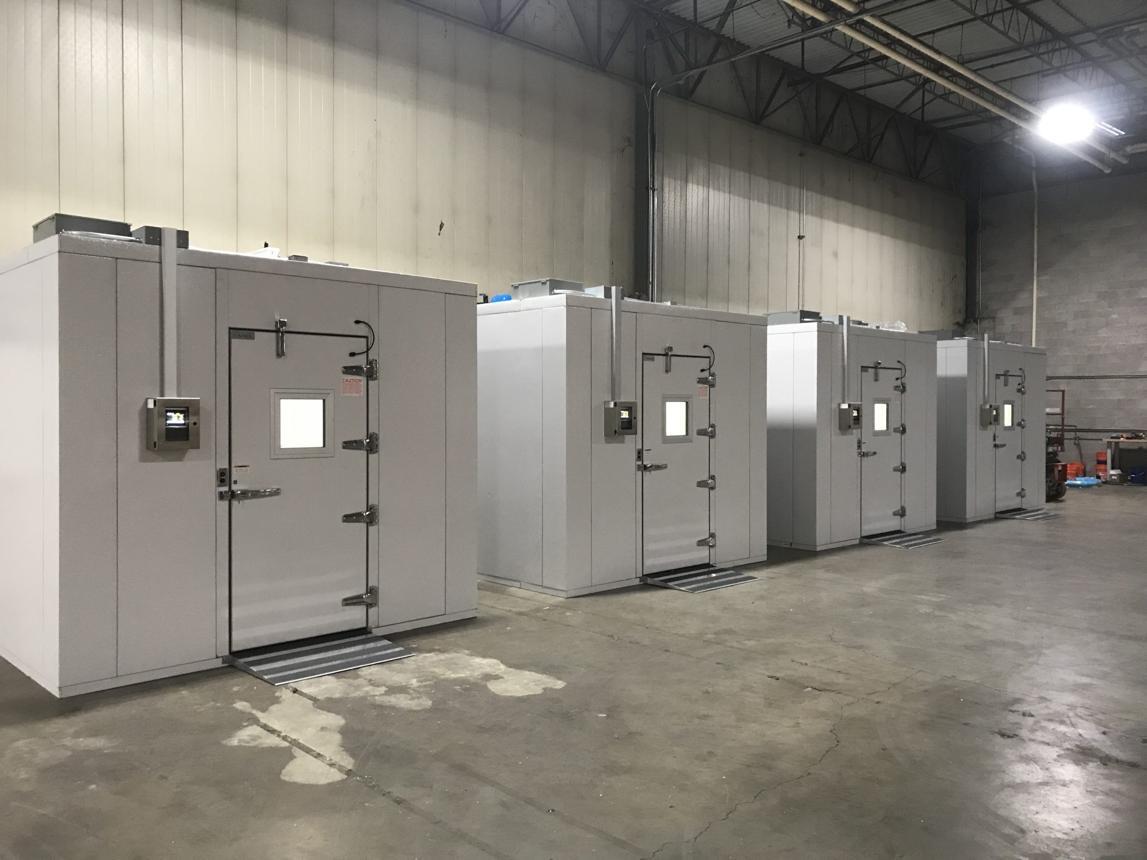
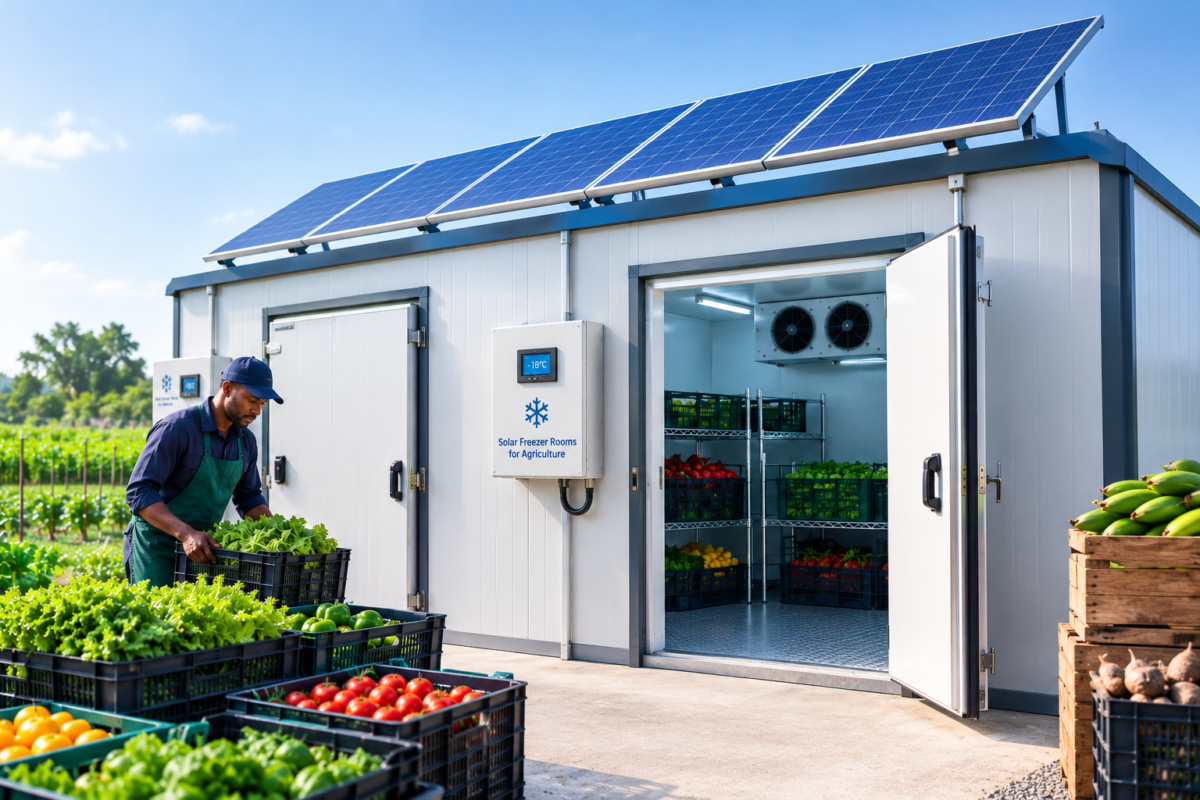
Overview
When Chilled Isn't Enough
Some products need to stay frozen to remain safe and saleable over time. Meat, poultry, fish and many processed foods are typically held well below freezing throughout storage and distribution.
Freezer rooms provide that environment at scale. Because they hold much lower temperatures than cold rooms, they also use considerably more energy, and a power interruption can put an entire inventory at risk.
A solar freezer room combines a well-insulated room, efficient low-temperature refrigeration, solar power and reliable storage and backup, so frozen products stay frozen where grid power is costly or unreliable.
What You Can Store
Products Suited to Freezer Room Storage
Freezer rooms serve a wide range of agricultural and food products. Knowing what you’ll store, and at what temperature, shapes the entire design.
Meat & Poultry
Beef, pork, goat, lamb and poultry from farms, abattoirs and processors, held frozen until sale or distribution.
Fish & Seafood
Fish spoils quickly. Frozen storage helps fishing communities and processors preserve their catch and reach more markets.
Frozen Fruits & Vegetables
Produce that has been blanched or processed and frozen can be stored for extended periods.
Ice & Ice Blocks
Ice used for packing fish, transporting produce or keeping goods cool at markets can be made and stored on site.
Frozen Dairy & Prepared Foods
Ice cream, frozen meals and other prepared products that must stay frozen until sold.
Bulk Frozen Ingredients
Ingredients held frozen for food processing, catering and hospitality businesses.
Know the Difference
Cold Room vs Freezer Room
Both protect perishable products, but they are designed for different jobs.
Solar Cold Room
Keeps products chilled above freezing to slow spoilage.
- Best for fresh fruits, vegetables, flowers and some dairy
- Humidity control is often important
- Lower energy demand than frozen storage
- Suited to short- to medium-term storage
Solar Freezer Room
Keeps products frozen well below the freezing point.
- Best for meat, poultry, fish, ice and frozen foods
- Requires heavier insulation, including an insulated floor
- Significantly higher energy demand
- Suited to longer-term storage of frozen goods
Components
What Makes Up a Solar Freezer Room
Every part of a freezer room affects how reliably it holds temperature and how much energy it uses.
Heavy Insulation & Insulated Floor
Thicker insulated panels and an insulated floor limit heat gain and help prevent ground freezing beneath the room.
Low-Temperature Refrigeration
Refrigeration designed for frozen storage. Efficient, correctly sized units reduce the solar capacity required.
Solar Array
Panels on the roof or nearby ground mounts supply the power the refrigeration system needs.
Energy or Thermal Storage
Batteries or thermal storage keep the room frozen overnight and during periods of low sunlight.
Controls & Defrost
Controls hold the setpoint and manage defrost cycles that keep evaporator coils free of ice buildup.
Monitoring & Alarms
Temperature logging and alarms help you act quickly if the room starts to warm.
How It Works
How a Solar Freezer Room Works
Frozen storage has to run around the clock. A solar freezer room is designed with that in mind.
Solar panels generate power
The array produces electricity during daylight hours.
Refrigeration keeps the room frozen
Solar power runs the low-temperature refrigeration system.
Energy is stored for later
Batteries or thermal storage carry the room through the night and cloudy periods.
Controls hold the setpoint
Temperature and defrost cycles are managed automatically.
Backup protects your inventory
A grid connection or generator steps in so products never thaw.
Best Practices
Getting the Most From Frozen Storage
Good handling protects product quality and helps your freezer room use less energy.
Freeze Before You Store
Freezer rooms are designed to hold frozen products. Freezing large amounts of fresh product usually calls for dedicated blast-freezing capacity.
Avoid Overloading
Adding too much unfrozen product at once can raise the room's temperature and affect everything already stored.
Keep the Door Closed
Plan loading carefully and consider strip curtains to reduce warm air entering the room.
Rotate Stock
Use a first-in, first-out system and label products with dates so nothing stays in storage too long.
Log Temperatures
Regular temperature records help you catch problems early and support food-safety requirements.
Maintain the System
Keep door seals intact, coils clean and defrost systems working to protect efficiency.
Who It's For
Who Uses Solar Freezer Rooms
Solar frozen storage can serve operations across the agricultural and food supply chain.
Livestock & Poultry Farmers
Store meat and poultry from your own production.
Fishing Communities & Processors
Preserve the catch and reach markets further away.
Meat Processors & Butchers
Hold processed and packaged products frozen until sale.
Frozen Produce Processors
Store frozen fruits and vegetables for longer periods.
Distributors & Wholesalers
Maintain the cold chain between suppliers and customers.
Cooperatives & Community Storage
Shared frozen storage for groups of producers.
Before You Plan
Key Considerations for a Solar Freezer Room
Frozen storage is energy-intensive, so careful planning makes a big difference to reliability and running costs. These factors shape the right configuration.
Products & target temperature
What you store, and how cold it must be kept, sets the refrigeration requirements.
Volume & room size
Peak storage volume determines the room’s size and cooling capacity.
Daily loading
How much product enters each day, and whether it arrives already frozen, has a major effect on energy demand.
Insulation & construction
Panel thickness, the insulated floor and well-sealed doors all reduce heat gain.
Site & climate
Hot climates and direct sun increase the load; shading and good placement help.
Storage & backup
Because thawing can mean losing inventory, reliable storage and backup are especially important.
Food-safety requirements
Storage conditions should meet the requirements that apply to your products and market.
Benefits
Benefits of Solar Freezer Rooms
Actual results depend on the products, system design, location and how the freezer room is used.
Protect Your Inventory
Storage and backup help keep products frozen through outages that could otherwise lead to losses.
Reach More Markets
Frozen storage gives producers more time to move products to buyers further away.
Frozen Storage Beyond the Grid
Properly designed systems make frozen storage possible at farms, landing sites and remote locations.
Lower Operating Costs
Solar can offset a meaningful share of the energy used for frozen storage, depending on system size and usage.
Solar Financing
Explore Financing for Your Solar Project
For customers who prefer not to cover the full installation cost upfront, Star Solar can connect qualified customers with independent third-party financing providers.
Financing approval, terms, rates, and eligibility are determined by the independent financing provider.
FAQ
Solar Freezer Room FAQs
Can solar power a freezer room 24 hours a day?
Yes, with a correctly sized solar array, enough battery or thermal storage, and good insulation. Because frozen storage is energy-intensive and thawing can mean lost inventory, backup power is strongly recommended.
Can I freeze fresh products in a freezer room?
Freezer rooms are mainly designed to hold products that are already frozen. Freezing large quantities of fresh product quickly usually requires dedicated blast-freezing capacity, which should be planned into the system.
What happens if there are several cloudy days?
Stored energy carries the room through periods of low sunlight. For extended poor weather, a grid connection or generator backup keeps the room frozen.
How is a freezer room different from a cold room?
A cold room keeps products chilled above freezing, while a freezer room keeps them frozen. Freezer rooms need heavier insulation, an insulated floor and low-temperature refrigeration, and they use more energy.
What size freezer room do I need?
It depends on how much product you store at peak, how much you add each day and how long products stay in storage. Our team can help work this out with you.
How do I get started?
Contact the Star Solar Energy team with details about your products, volumes, storage needs and location. We’ll help you understand the options that may fit your operation.
Keep Your Products Frozen With Solar
Tell us what you need to store, how much and where you operate. Our team will help you understand the solar freezer room options that may fit your needs.