How Much Does Solar Panel Installation Cost in 2026?
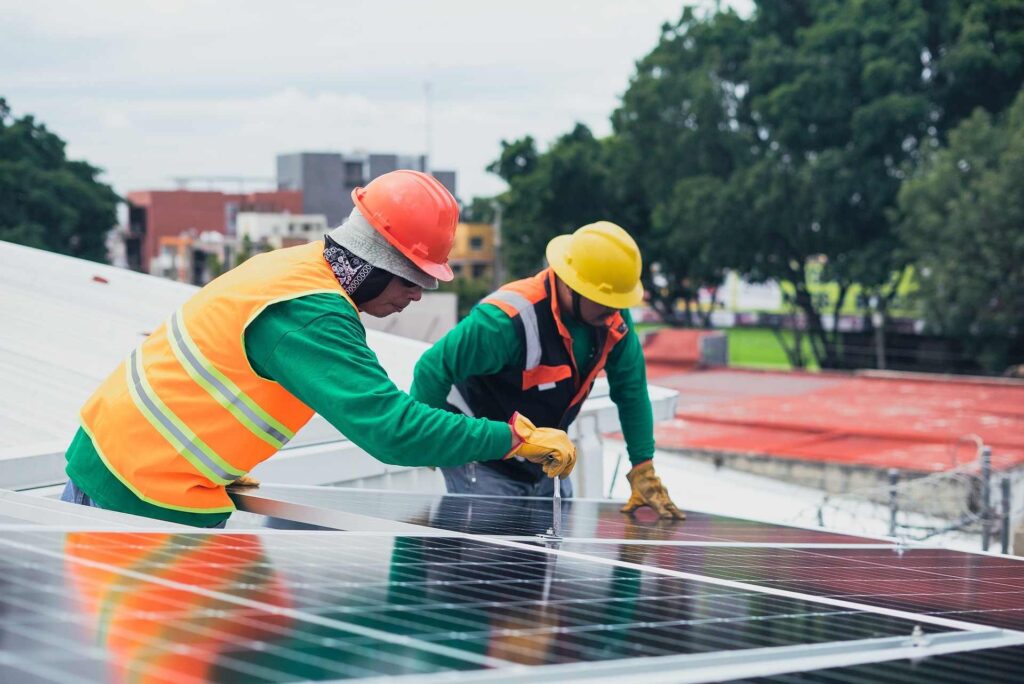
Imagine you’ve decided you’re tired of watching your electricity bill climb every year. You start thinking about solar, search for an installer, and then the first question hits you:
“How much is this actually going to cost me?”
You find one price online, another from a solar company, and a completely different number from someone who installed panels a few years ago. Suddenly, going solar feels more complicated than it should.
The truth is, there isn’t one universal price for solar panel installation. The cost depends on your property’s energy needs, system size, equipment, installation requirements, location, available incentives, and how you choose to pay for the system.
How Much Does Solar Panel Installation Cost?
If you’ve ever looked at your electricity bill and wondered how much longer you can keep paying the same amount or more, you’re not alone. That’s often the moment people start considering solar. But once you begin researching, another question quickly takes over: how much will solar panel installation actually cost?
The answer isn’t as simple as putting a price tag on a set of solar panels. A solar installation is a complete energy system, and the final cost depends on factors such as the size of the system, your property, energy consumption, equipment, labour, location, and available incentives.
For homeowners and businesses, the total investment can vary considerably. A smaller property with modest energy needs may require a relatively small system, while a larger home or commercial property may need significantly more panels and equipment to offset its electricity usage.
It’s also important to distinguish between the gross cost of installation and what you may actually pay after applicable incentives, rebates, tax credits, or financing options. Two properties with similar solar systems can end up with very different out-of-pocket costs depending on where they are located and how the project is financed.
That’s why online averages should be treated as a starting point rather than a final quote. The most accurate way to determine your solar installation cost is to look at your property’s energy usage, roof or installation area, system requirements, and available incentives.
What Determines the Cost of a Solar Installation?
If two homeowners ask for a solar installation quote on the same day, they can receive very different numbers. That’s because solar isn’t a one-size-fits-all purchase. The cost of your system is shaped by your property, how much electricity you use, the equipment you choose, and the work required to get everything installed and connected.
The first major factor is the size of your solar system. A home that uses a large amount of electricity will typically need more panels and a larger system than a home with lower energy consumption. Your installer will look at factors such as your historical electricity usage and the amount of energy you want your system to offset.
Your roof and property also matter. A large, open roof with a suitable orientation may be relatively straightforward to work on, while a roof with multiple sections, steep pitches, shading, limited access, or structural considerations can require additional planning and labour. If your roof needs repairs or replacement before installation, that can also affect the overall project cost.
Then there is the equipment itself. Solar panels are only one part of a complete system. Depending on the design, you may also need inverters, mounting equipment, electrical components, monitoring equipment, and potentially battery storage. Different equipment options come with different prices, performance characteristics, warranties, and expected lifespans.
Installation and labor are another important part of the equation. Installing solar involves much more than attaching panels to a roof. The project may include system design, permitting, electrical work, inspections, utility coordination, mounting, wiring, and final commissioning. The complexity of these requirements can influence the final price.
Your location can also make a difference. Labour rates, permitting requirements, utility policies, local regulations, available incentives, and the cost of doing business can vary from one state or market to another. This is one reason a national average may not accurately represent what you’ll pay in your area.
Finally, your financing and available incentives can change the amount you ultimately spend. The advertised price of a solar system is not necessarily the same as your final out-of-pocket cost. Depending on where you live and your eligibility, federal, state, local, or utility incentives may reduce the effective cost of going solar, while financing can spread payments over time.
Ultimately, the right question isn’t simply, “How much do solar panels cost?” It’s “How much will a solar system designed for my property cost?” Once your energy needs, property, equipment, incentives, and financing options are considered together, you can get a much clearer picture of the investment.
Cash vs. Financing: Which Is Better?
You’ve decided that solar makes sense for your home or business. Now comes another important decision: how should you pay for it?
For some property owners, paying cash upfront is the simplest option. You own the system immediately, avoid financing charges, and can focus on the long-term savings your solar investment may provide. But there’s another side to the decision. Putting a large amount of cash into a solar project may not make sense if it would significantly reduce your savings or working capital.
That’s where solar financing can become an attractive alternative.
With financing, you can spread the cost of your solar installation over time rather than paying the entire project cost upfront. Depending on the financing option, your monthly payment may be easier to manage while you preserve cash for other priorities. However, financing can also involve interest, fees, eligibility requirements, and other terms that should be carefully reviewed before you commit.
So, which is better: cash or financing?
There isn’t a universal answer. The better choice depends on your financial position, energy goals, available cash, financing terms, and how long you expect to own the property.
Paying Cash for Solar
If you have enough available funds and want to minimise the amount you pay over the life of the project, paying cash can be appealing. You avoid loan interest and financing charges, and you own the solar system outright from day one.
The trade-off is liquidity. Spending a significant amount on solar means that money is no longer available for emergencies, investments, business operations, renovations, or other financial priorities.
Financing Your Solar Installation
Financing allows you to install your solar system without necessarily paying the full cost upfront. Instead, you make payments according to the terms of your financing agreement.
For homeowners and businesses that want to preserve cash, this can make solar easier to consider. It can also allow you to move forward with a project while keeping funds available for other needs.
But don’t choose a financing option based solely on the monthly payment. Look at the interest rate, loan term, fees, total amount repaid, and any other conditions. A lower monthly payment can sometimes mean paying more over the full term.
So, Which Option Should You Choose?
Think beyond the question of “How much do I have to pay today?”
Ask yourself:
- How much cash can I comfortably commit to the project?
- Do I need that cash for other financial priorities?
- What financing options are available to me?
- What will I pay in total under each option?
- How long do I expect to own the property?
- How much could the solar system potentially save me over time?
At Star Solar Energy Inc., we understand that going solar is a significant financial decision. That’s why our approach isn’t simply about selling you a solar system. We help you understand your installation options and, when upfront payment isn’t the right fit, connect qualified customers with financing partners so they can explore potential ways to pay for their project.
Whether you prefer to purchase your system outright or explore financing, the first step is understanding what your property actually needs.
Ready to find out what solar could look like for your home or business? Star Solar Energy Inc. can help you assess your solar needs, understand your installation options, and explore financing possibilities.
Get your free solar assessment and take the first step toward a smarter energy future.