Is Your Home Ready for Solar? 7 Things to Check Before Installation
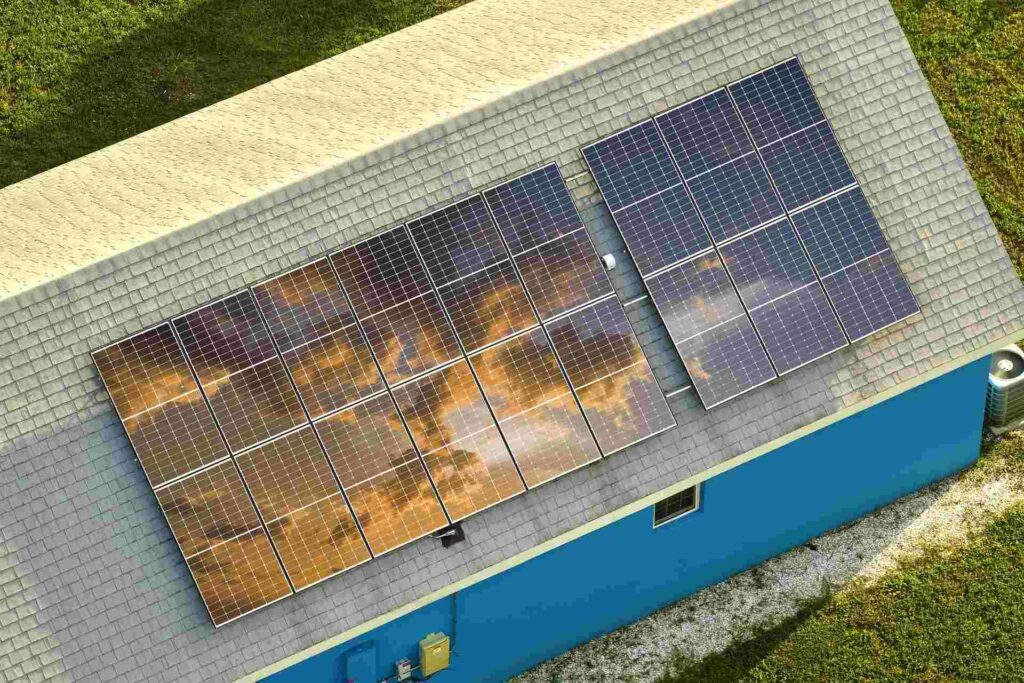
Going solar is a major investment, and the best time to discover a problem with your home isn’t after the solar panels arrive.
Before installation begins, your home needs to be ready for a solar system that can safely and efficiently generate the electricity you need. From the condition of your roof to your electrical panel, energy consumption, and available sunlight, a few important factors can determine whether your home is truly solar-ready.
The good news? You don’t have to figure it all out yourself.
1. Check the Condition and Age of Your Roof
Your roof is one of the first things to evaluate before installing solar panels. Solar panels can last 25 years or more, so ideally, the roof underneath them should have plenty of useful life remaining.
If your roof is already showing signs of aging, damage, or deterioration, installing solar panels before addressing those problems could create unnecessary costs later. Removing and reinstalling panels to replace a roof is more complicated than taking care of the roof first.
Start by finding out when your current roof was installed. Its expected lifespan depends on the roofing material, installation quality, weather exposure, and maintenance, but an older roof deserves closer inspection before you commit to solar.
You should also look for signs of damage such as missing or damaged shingles, cracks, curling, water stains, leaks, sagging areas, damaged flashing around vents and chimneys, or excessive moss and moisture.
Roof condition isn’t the only consideration. Your installer will also evaluate the available roof space and determine whether it can accommodate enough panels to meet your energy needs. Roof pitch, multiple roof sections, skylights, vents, chimneys, and other obstructions can all affect the usable installation area.
You don’t necessarily need a brand-new roof to go solar. A professional solar assessment can help determine whether your existing roof is suitable for installation or whether repairs or replacement should happen first.
The goal isn’t simply to put solar panels on your roof. It’s to make sure the entire system is built on a solid foundation that can serve you reliably for years to come.
2. Evaluate How Much Sunlight Your Roof Gets
Solar panels need consistent sunlight to produce electricity efficiently, so your roof’s sun exposure is one of the first things to evaluate before installation.
Look for anything that could block sunlight throughout the day, including large trees, neighbouring buildings, chimneys, and other structures. Even if your roof gets plenty of sun in the morning, significant afternoon shade can affect your system’s overall energy production.
Your roof’s orientation, pitch, and available space also matter when determining where panels should be installed. A professional solar assessment can evaluate these factors and help determine how much solar energy your home could realistically generate.
The goal isn’t simply to put panels on your roof; it’s to put them where they can perform well.
3. Review Your Home’s Electricity Usage
Before installing solar, take a close look at how much electricity your home actually uses. Your recent electricity bills can give you a useful starting point, especially if you review several months rather than relying on a single bill. Look for your average monthly usage and identify periods when your consumption is significantly higher.
Your household’s energy needs also help determine the size of the solar system you may need. A home with high electricity consumption will generally require more solar capacity than a smaller household with lower usage.
It’s also important to think beyond your current usage. Are you planning to buy an electric vehicle? Add a new air conditioner? Install an electric water heater? Build an extension? These changes could significantly increase your future electricity needs, and it’s better to account for them when designing your solar system.
Understanding your energy consumption before installation helps ensure your system is designed around how you actually use electricity, rather than simply installing as many panels as possible. A professional solar assessment can take your historical usage and future energy needs into account when determining the right system for your home.
4. Check Your Electrical Panel and Wiring
Your home’s electrical system needs to be able to safely handle the new equipment. One of the first things a solar professional will look at is your electrical panel, which distributes electricity throughout your home and connects your home to the utility grid.
Older homes may have outdated or undersized electrical panels that aren’t suitable for a modern solar installation. In some cases, the panel may need to be upgraded before the solar system can be installed. Your wiring, breakers, grounding, and other electrical components may also need to be inspected to make sure everything meets current safety and installation requirements.
It’s also worth paying attention to signs of electrical problems, such as frequently tripped breakers, flickering lights, burning smells, buzzing sounds, or unusually warm outlets and panels. These issues should be addressed before adding a solar system.
A professional assessment can determine whether your existing electrical infrastructure is ready for solar or whether an upgrade is needed. Identifying these requirements early can help prevent unexpected costs or delays once your installation is underway.
5. Consider Your Roof Space and Structural Capacity
Before installing solar panels, you need to make sure your roof has enough usable space and can safely support the system. Solar panels, mounting equipment, and other components add some additional weight to your roof, so the structure should be assessed before installation begins.
The amount of usable roof space also matters. Chimneys, vents, skylights, dormers, and other obstructions can reduce the area available for panels. A roof may look large enough from the ground but have considerably less usable space once these factors are considered.
The roof’s shape, pitch, orientation, and condition can also influence how a solar system is designed. If your roof has limited space or structural concerns, your installer may recommend a different panel layout, equipment configuration, or other solution.
A professional solar assessment can help determine whether your roof is suitable for installation and identify any issues that should be addressed before the project begins. If repairs or structural improvements are needed, dealing with them first can help you avoid unnecessary complications and additional costs later.
6. Understand Your Local Solar Rules, Incentives & Utility Requirements Roof Space and Structural Capacity
It is important to understand the rules and requirements that apply to your property. Solar installations may require building permits, inspections, utility approval, and other local requirements before your system can be connected to the grid. These requirements can vary depending on where you live, so what applies to one homeowner may not apply to another.
You should also look into the solar incentives available in your area. Federal, state, and local programs may help reduce the overall cost of going solar, while utility programs may determine how you are compensated for excess electricity your system sends back to the grid. Because these programs and requirements can change, it is worth confirming the current rules before making a decision.
Your roof itself also needs to be suitable for solar. There needs to be enough usable roof space for the number of panels your home requires, while chimneys, vents, skylights, and other structures can reduce the available area. The roof’s pitch and orientation can also influence how well the panels perform.
Just as important is the structural condition of the roof. Solar panels and their mounting equipment add some additional weight, so the roof should be assessed to make sure it can safely support the system. If your roof is older, damaged, or already showing signs of structural problems, addressing those issues before installation may be the smarter approach.
7. Decide How You Want to Pay for Your Solar System
Paying for a solar system is an important part of the decision, and the right option depends on your budget, energy goals, and how long you plan to stay in your home. Some homeowners choose to pay for the system upfront, while others prefer financing that spreads the cost over time.
If you have the cash available, paying upfront can eliminate financing charges and give you full ownership of the system from the beginning. However, you don’t necessarily need to have the entire cost sitting in your bank account before you can go solar. Solar financing can allow qualified homeowners to spread payments over time while keeping their available cash for other priorities.
When comparing financing options, don’t focus only on the monthly payment. Look at the total cost of the system, interest rate, loan term, fees, ownership terms, and how the payment fits into your expected energy savings. A lower monthly payment isn’t always the least expensive option over the life of the agreement.
What If Your Home Isn’t Ready for Solar Yet?
Not every home is immediately ready for solar, and that doesn’t necessarily mean you have to put your plans on hold. A roof may need repairs, your electrical panel may require an upgrade, or trees and nearby structures may be limiting the amount of sunlight reaching your roof. The important thing is to identify these issues before installation rather than discovering them halfway through your solar project.
If your roof is nearing the end of its useful life, for example, replacing or repairing it before installing solar panels can save you from having to remove and reinstall the panels later. Similarly, an older electrical system may need to be evaluated to make sure it can safely support your new solar system. In some cases, simply addressing shading or improving your home’s energy efficiency can make your property better prepared for solar.
This is where Star Solar Energy Inc. can help. Our team can assess your property’s solar potential, identify potential installation challenges, and help you understand what needs to happen before your system can be installed. Rather than pushing you into a system that may not be right for your home, we help you understand your options and make a decision based on your property’s actual needs.
And if you’re concerned about the cost of getting your home ready, we can also help you explore available financing options for your solar project. The goal isn’t simply to put panels on your roof—it’s to help you move toward a solar solution that makes sense for your home, your energy usage, and your long-term goals.
Your home doesn’t have to be perfect to start exploring solar. It just needs the right assessment and a clear plan for getting there. Star Solar Energy Inc. can help you take that first step.
One thought on “Is Your Home Ready for Solar? 7 Things to Check Before Installation”