How Many Solar Panels Does Your Home Need? Get the Right System Size
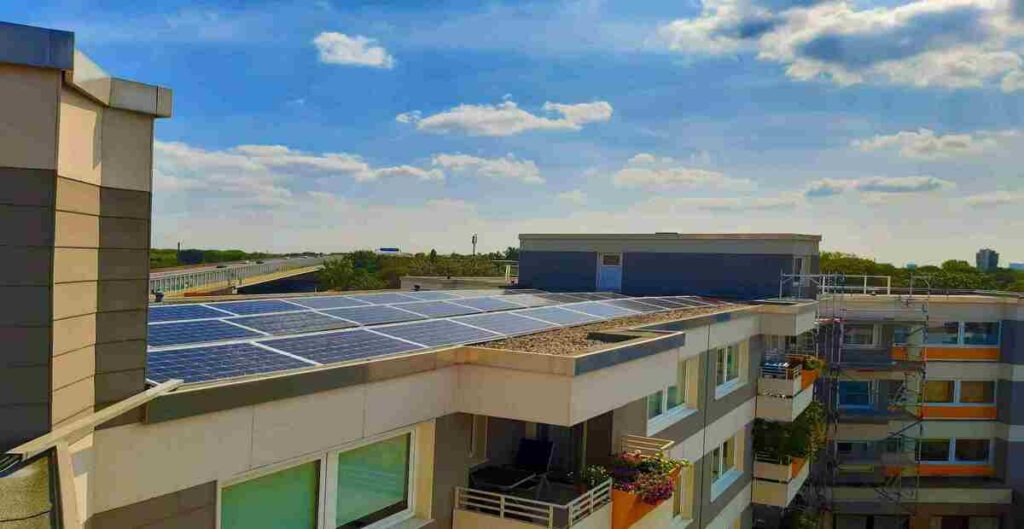
The right number of solar panels for your home isn’t simply a matter of putting as many panels as possible on your roof. Your ideal system size depends on how much electricity your household uses, where you live, the amount of sunlight your property receives, your roof space, and the type of solar panels you choose.
Getting the system size right matters. A system that’s too small may leave you relying heavily on grid electricity, while an oversized system could mean paying for more solar capacity than you actually need.
So, how many solar panels does your home need? In this guide, we’ll walk you through the key factors that determine the right solar system size, how to estimate your panel requirements, and what to consider before investing in a home solar system.
How to Calculate the Number of Solar Panels Your Home Needs
Figuring out how many solar panels your home needs starts with one simple question: How much electricity does your household use?
The goal isn’t necessarily to install enough panels to cover every square inch of your roof. Instead, your solar system should be sized around your electricity consumption, your location, available sunlight, roof conditions, and the output of the panels you choose.
A simple way to estimate the number of panels you need is:
Annual electricity usage ÷ annual electricity production per panel = estimated number of solar panels
For example, suppose your home uses 10,000 kWh of electricity per year, and each solar panel is expected to generate approximately 400 kWh per year.
Your calculation would be:
10,000 ÷ 400 = 25 panels
So, you might need approximately 25 solar panels to produce a similar amount of electricity to your annual household consumption.
However, this is only an estimate. Solar production varies significantly depending on where you live and the conditions of your property.
Step 1: Find Your Annual Electricity Usage
Start by looking at your electricity bills from the past 12 months.
Most utility bills show your electricity consumption in kilowatt-hours (kWh). Add your monthly usage together to determine your annual electricity consumption.
For example:
| Month | Usage |
|---|---|
| January | 750 kWh |
| February | 680 kWh |
| March | 720 kWh |
| April | 650 kWh |
| May | 780 kWh |
| June | 920 kWh |
| July | 1,050 kWh |
| August | 1,020 kWh |
| September | 850 kWh |
| October | 700 kWh |
| November | 720 kWh |
| December | 810 kWh |
| Annual Total | 9,650 kWh |
Your annual electricity consumption is the most useful starting point for determining your solar system size.
Step 2: Consider Your Solar Panel’s Wattage
Not all solar panels produce the same amount of electricity.
For example, you might find panels rated at:
- 350 watts
- 400 watts
- 450 watts
- 500 watts or more
A higher-wattage panel can produce more electricity than a lower-wattage panel under comparable conditions. This means you may need fewer high-output panels to reach the same system capacity.
For example, a 10 kW solar system would require approximately:
- 29 × 350W panels
- 25 × 400W panels
- 23 × 450W panels
- 20 × 500W panels
The number of panels is therefore only one part of the equation. Total system capacity matters too.
Step 3: Account for Your Location
Two homes with identical electricity consumption may need different numbers of solar panels.
Why?
Because solar panels don’t produce the same amount of electricity everywhere.
Your location affects the amount of sunlight available throughout the year. A home in a region with strong solar resources may generate more electricity from each panel than a similar home in an area with less sunlight.
Other factors include:
- Seasonal weather
- Cloud cover
- Roof orientation
- Roof pitch
- Shade from trees or buildings
- Local climate
That’s why simply copying the number of panels installed on your neighbor’s house isn’t a reliable way to size your own system.
Step 4: Think About Your Future Energy Needs
Your current electricity bill isn’t necessarily a perfect representation of your future energy consumption.
Are you planning to buy an electric vehicle?
Will you replace your gas appliances with electric ones?
Are you adding an extension to your home?
Will you install a swimming pool or upgrade your HVAC system?
These changes could increase your electricity consumption.
If you know your energy needs are likely to increase, your solar system can potentially be designed with those future needs in mind.
Step 5: Check Your Available Roof Space
Even if your energy consumption suggests you need 25 panels, your roof needs to have enough suitable space to accommodate them.
A solar professional will evaluate:
- Available roof area
- Roof orientation
- Roof pitch
- Shading
- Roof condition
- Obstructions such as vents and chimneys
A roof with significant shading or limited usable space may require a different system design.
A Better Way to Think About Solar Panel Sizing
Rather than asking:
“How many solar panels do I need?”
A better question is:
“What solar system size will produce the amount of electricity I need?”
Once the appropriate system size is determined, the number of panels depends on the wattage of the panels selected.
For example, if your home needs a 10 kW system:
10,000 watts ÷ 400 watts per panel = 25 panels
So a 10 kW system using 400-watt panels would require approximately 25 panels.
But the actual system size recommended for your home should account for your electricity usage, location, roof conditions, expected solar production and energy goals.

How Location Affects Solar System Size
Where your home is located can significantly affect how many solar panels you need. Two homes with the same electricity usage may require different-sized solar systems simply because they receive different amounts of sunlight throughout the year.
Solar panels generate electricity from sunlight, so the amount of solar energy available at your location directly influences how much power each panel can produce.
a. Sunlight Availability
One of the biggest factors is the amount of sunlight your area receives. Homes in areas with strong, consistent sunshine can generally produce more electricity from each solar panel than homes in regions with less solar exposure.
For example, a home in Arizona may generate more electricity from the same number of panels than a similar home in a cloudier region. This doesn’t mean solar isn’t worthwhile in less sunny areas—it simply means the system may need to be sized differently to meet the same energy requirements.
b. Weather and Seasonal Changes
Solar production also changes throughout the year. Cloud cover, rain, snow, and shorter winter days can reduce the amount of electricity your panels generate.
A properly designed solar system accounts for these seasonal variations rather than looking only at the amount of sunlight available on a typical summer day.
c. Roof Orientation and Tilt
Your location isn’t the only geographic consideration. The direction and angle of your roof also affect solar production.
A roof with good exposure to the sun can generate more electricity than a roof that is heavily shaded or poorly oriented. Your solar installer should evaluate factors such as:
- Roof direction
- Roof pitch
- Shade from trees and buildings
- Available roof space
- Nearby obstructions
- Seasonal sun patterns
d. Local Electricity Usage and Utility Rules
Location can also affect how you should size a system because electricity rates and utility policies vary by state and utility provider.
Net metering, energy buyback policies, time-of-use rates, and other local rules can influence how valuable excess solar production is. That’s why the goal isn’t always to simply install enough panels to produce 100% of your annual electricity consumption.
e. Why Professional System Design Matters
There isn’t a universal number of solar panels that works for every home. Your electricity consumption, local climate, roof characteristics, panel efficiency, and utility rules all need to be considered together.
How Much Roof Space Do You Need?
One of the first questions homeowners ask when considering solar is: “Do I have enough roof space for solar panels?”
The good news is that you don’t necessarily need a huge roof to generate a meaningful amount of solar energy. The amount of space you need depends on several factors, including your home’s electricity consumption, the size and wattage of your solar panels, your roof’s layout, and how much of your electricity usage you want your system to cover.
A typical residential solar panel is roughly 5.5 to 6.5 feet long and 3 to 4 feet wide, meaning one panel may require approximately 17 to 22 square feet of roof space. But calculating your solar requirements isn’t as simple as multiplying the number of panels by their dimensions.
Your installer also needs to account for roof edges, setbacks, chimneys, vents, skylights, walkways, roof pitch, shading and other installation requirements.
For example, if your home needs an 8 kW solar system and you choose 400-watt panels, you would need approximately 20 panels. If each panel occupies around 20 square feet, the panels themselves would require roughly 400 square feet of space. The actual roof area required could be greater once spacing and other installation considerations are taken into account.
The amount of electricity your household uses is therefore one of the most important factors in determining how much roof space you need. A home that consumes 5,000 kWh of electricity annually may require a considerably smaller system than a home consuming 15,000 kWh.
Your roof’s shape and condition matter too. A large roof with significant shading or several obstructions may have less usable solar space than a smaller, unobstructed roof. Chimneys, dormers, skylights, trees and neighbouring buildings can all affect where panels can be installed.
Roof orientation and pitch can also influence solar production. Two homes with similar roof sizes may require different numbers of panels because their roofs receive different amounts of usable sunlight.
And if your roof is nearing the end of its useful life, it’s worth addressing that before installing solar. Replacing a roof after solar panels have already been installed can mean additional labour and expense.
If your roof is relatively small, that doesn’t automatically mean solar isn’t an option. Higher-wattage panels may allow you to generate more electricity with fewer panels. Depending on the property, panels may also be distributed across multiple suitable roof sections or, in some situations, a ground-mounted system may be considered.
Ultimately, the goal isn’t to fill every available inch of your roof with solar panels. The goal is to design a system that makes sense for your electricity consumption, property, budget and long-term energy goals.
That’s why a professional solar assessment is so valuable. An experienced installer can evaluate your electricity usage, roof space, orientation, shading, roof condition and potential system size to determine what may work best for your property.
If you’re considering solar in Maryland, Star Solar Energy Inc. can help you understand what is possible for your property. Our team can assess your solar needs, help you explore installation options and connect qualified customers with financing options.
You can reach Star Solar Energy Inc. at 240-564-0104, visit us at 6215 Greenbelt Road, Suite 307, College Park, MD 20740, or email info@starzolar.com.