Solar Panel Installation Cost in Alabama for a 3-Bedroom Home
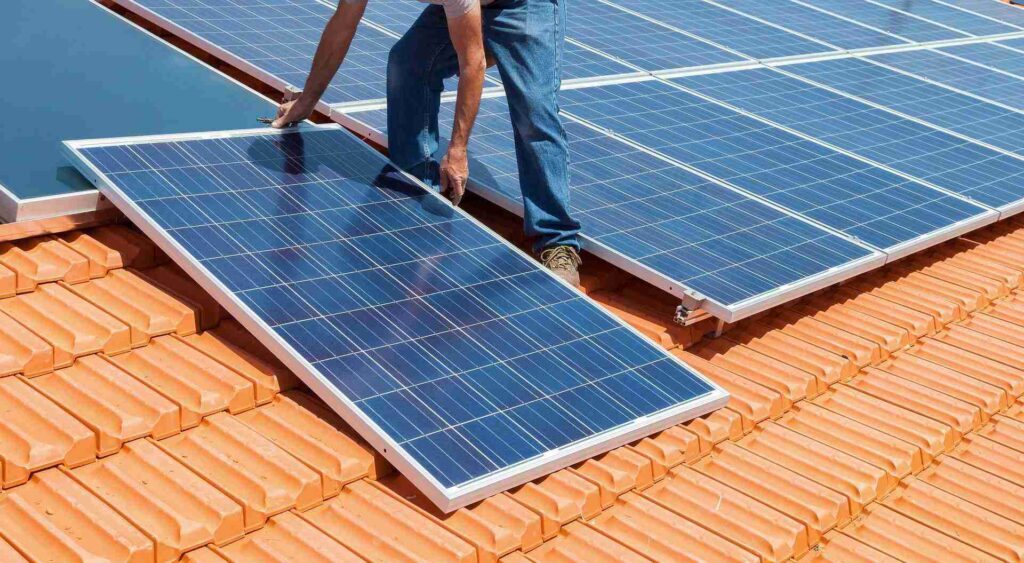
If you own a 3-bedroom home in Alabama and are considering solar, one of the first questions you’ll probably ask is: how much will solar panel installation actually cost?
The answer depends on more than the number of bedrooms. Your home’s electricity usage, roof size and orientation, solar system size, equipment, installation requirements, available incentives, and financing options can all affect the final price.
A typical 3-bedroom home may need a different-sized solar system from another home of the same size, especially if the households have different energy consumption patterns.
How Much Does Solar Panel Installation Cost for a 3-Bedroom Home in Alabama?
For a 3-bedroom home in Alabama, solar panel installation can vary significantly depending on the home’s electricity usage, roof characteristics, system size, equipment selected, and installation requirements. The number of bedrooms alone does not determine how much solar you need. A family that uses air conditioning heavily, for example, may require a larger system than another 3-bedroom household with lower electricity consumption.
The best way to estimate the cost is to start with the home’s electricity bills and determine how much power the solar system needs to generate. From there, the system size, number of panels, inverter capacity, roof layout, and other installation requirements can be assessed. Additional factors such as battery storage can also increase the overall project cost but may provide greater energy independence.
For Alabama homeowners, the upfront price is only part of the equation. Available incentives, utility policies, and financing options can significantly affect what you actually pay and how quickly your investment may deliver savings. That is why it is important to look beyond a simple “price per panel” when comparing solar providers.
This is where Star Solar Energy Inc. can help. Instead of giving you a generic system based simply on the size of your home, our approach is to understand your property’s energy needs and help you explore a solar solution that makes sense for your situation. If paying the full cost upfront isn’t ideal, we can also help qualified customers explore available financing options through our financing partners.
Ultimately, the most accurate answer to “How much does solar panel installation cost for a 3-bedroom home in Alabama?” comes from a property-specific assessment. Your energy consumption, roof, desired level of energy offset, equipment, and financing choice all matter. Getting a proper assessment before making a decision can help you understand the real cost and potential value of going solar.
How Many Solar Panels Does a 3-Bedroom Home in Alabama Need?
The number of solar panels a 3-bedroom home in Alabama needs depends on several factors. Bedroom count can provide a rough idea of household size, but it does not tell you how much electricity the home actually uses. A home with three bedrooms and four occupants may have very different energy needs from another three-bedroom home with two occupants.
The main factors include:
- Annual electricity consumption: Your monthly and yearly electricity usage is one of the biggest factors. Higher electricity consumption generally requires a larger solar system.
- Solar panel wattage: Panels come in different power ratings. Higher-wattage panels can produce more electricity from each panel, potentially reducing the total number of panels required.
- Available sunlight: The amount of usable sunlight your property receives affects how much electricity each panel can generate. Shading from trees, nearby buildings, or other structures can reduce production.
- Roof size and usable space: The available roof area determines how many panels can physically be installed. Roof sections with obstructions such as vents, chimneys, or skylights may reduce usable space.
- Roof orientation and angle: The direction and pitch of your roof can influence solar production. Some roof layouts may require additional panels to achieve the desired energy output.
- Energy goals: A homeowner looking to offset most of their electricity consumption may need a larger system than someone who only wants to cover part of their energy usage.
- Energy efficiency of the home: Appliances, air conditioning, water heaters, insulation, lighting, and other electrical equipment all contribute to electricity consumption. Improving efficiency can reduce the amount of solar capacity needed.
- Battery storage: If you plan to include batteries, your solar system may need to be designed around both your daytime electricity consumption and your desired amount of stored energy.
- Future electricity needs: Plans to add an electric vehicle, new appliances, an additional air conditioner, or other high-energy equipment can increase future electricity consumption and may affect the appropriate system size.
Because of these variables, there is no single number of panels that is appropriate for every 3-bedroom home in Alabama. The right system should be determined from the property’s actual electricity usage, solar potential, available roof space, and energy goals.
What Does a Solar System for a 3-Bedroom Alabama Home Include?
A solar system for a 3-bedroom home in Alabama is more than just a collection of panels on the roof. A complete residential solar installation typically includes several components that work together to capture sunlight, convert it into usable electricity, monitor the system, and safely connect it to the home’s electrical system.
The main components include:
- Solar panels: These capture sunlight and convert it into direct current (DC) electricity. The number of panels required depends on the home’s energy consumption, available roof space, panel efficiency, and desired level of energy production.
- Solar inverter: Solar panels produce DC electricity, while most household appliances use alternating current (AC). The inverter converts the electricity into a form that can be used throughout the home.
- Mounting system: Racking and mounting equipment securely attaches the solar panels to the roof or another suitable structure. The mounting configuration depends on the roof type, angle, and layout.
- Electrical equipment: Wiring, disconnects, breakers, and other electrical components connect the solar system to the home’s existing electrical system and help ensure it operates safely.
- Monitoring system: Solar monitoring allows homeowners to track how much electricity their system is producing and, depending on the equipment, how much energy the home is consuming.
- Permits and inspections: Residential solar installations generally involve permitting and inspections to ensure the system meets applicable building and electrical requirements before it is placed into service.
- Utility interconnection: If the system is connected to the local electricity grid, the installation may require an interconnection process with the applicable utility.
- Battery storage (optional): A battery can store excess solar electricity for use later, such as during periods when the panels aren’t producing enough power. Battery storage is not required for every solar installation and can add to the overall project cost.
The exact equipment included in a solar installation can vary depending on the property’s energy requirements, system design, roof characteristics, utility requirements, and whether the homeowner chooses additional features such as battery storage.
Are There Solar Incentives for Alabama Homeowners?
If you’re considering solar for your Alabama home, the cost of installation isn’t the only number you should look at. Incentives, tax credits, utility programs, and financing options can all affect the overall economics of a solar project. However, it’s important to understand which incentives are actually available today, because solar policies can change.
One important update for Alabama homeowners is the federal Residential Clean Energy Credit. The IRS states that the 30% residential clean energy tax credit applied to qualifying solar and battery-storage expenditures for property placed in service through December 31, 2025. The credit is no longer available for qualifying residential clean-energy property placed in service after that date.
That means homeowners planning a solar installation in Alabama in 2026 should not automatically assume that the former 30% federal residential tax credit will reduce the cost of their project. Instead, it is important to look at the incentives and programs that may currently apply to your specific property and utility situation.
There may also be other opportunities worth investigating, including utility programs, energy-related incentives, and financing arrangements. Eligibility can depend on factors such as where your home is located, which utility serves your property, the type of solar system you install, and whether you include battery storage.
This is where working with an experienced solar company can make the process easier. Star Solar Energy Inc. helps homeowners understand their solar options and can help qualified customers explore available financing through its financing partners. Rather than making a decision based only on the advertised price of a solar system, our team can help you look at the bigger picture—system size, installation requirements, financing, potential savings, and applicable incentives.
If you’re a homeowner in Alabama considering solar, the best place to start is with a property-specific assessment. Star Solar Energy Inc. can help you understand what your home may need, what options may be available, and what your path to solar could look like.
Ready to explore solar for your Alabama home? Contact Star Solar Energy Inc. at 240-564-0104 or info@starzolar.com to discuss your project and available options.