Solar Panels vs. Solar Panels + Battery: Which Is Right for Your Home?
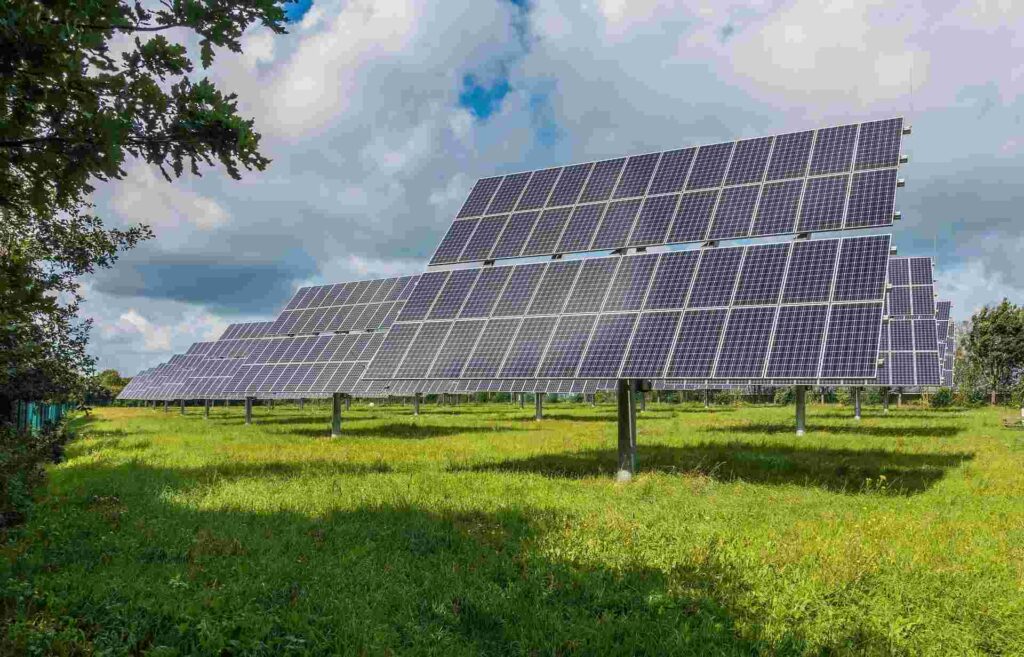
Choosing solar for your home is a big step, but there’s another decision that often comes after it: Do you need solar panels alone, or should you add a battery storage system?
Solar panels can generate clean electricity during the day and help reduce your reliance on the grid. But when the sun goes down or when the grid goes out, your panels alone may not provide the energy you need. A solar battery can store excess electricity generated during the day and make that energy available when you need it most.
So, is adding a battery worth the extra investment? The answer depends on your energy usage, electricity rates, backup power needs, and what you want your solar system to accomplish.
Solar Panels vs. Solar + Battery: Key Differences
Solar panels and solar-plus-battery systems can both help reduce your reliance on grid electricity, but they work differently and serve different needs. The biggest difference is what happens to the electricity your solar panels produce when your home isn’t using it.
With a solar-only system, your panels generate electricity during daylight hours. Your home uses the electricity it needs, while excess power may be sent back to the grid depending on your utility’s policies and your system’s configuration. When your panels aren’t producing enough electricity, such as at night, you typically draw power from the grid.
Adding a battery changes that equation. Instead of sending all unused solar electricity to the grid, a battery can store some of that energy for later use. You can then use the stored electricity in the evening, during periods of low solar production, or potentially during a power outage when the system is properly configured for backup.
The two options also differ in upfront cost. Solar panels alone generally require a smaller initial investment because you’re purchasing fewer components. A battery adds equipment and installation costs, although financing and available incentives may help reduce the financial barrier depending on where you live.
Energy independence is another important difference. Solar panels can significantly reduce the amount of electricity you purchase from the grid, but a solar-only home remains dependent on the grid when solar production isn’t available. Solar plus battery storage can allow you to use more of your own generated electricity and reduce your reliance on grid power even further.
There is also a major difference when the power goes out. A standard grid-connected solar system may automatically shut down during an outage for safety reasons, meaning your panels won’t necessarily keep your home powered. A properly designed solar-plus-battery system, however, can provide backup power to selected circuits or, with an appropriately sized system, potentially much of the home, during an outage.
The Benefits of Solar Panels Without a Battery
A solar-only system allows you to generate electricity from sunlight and use that power in your home as it is produced.
One of the biggest advantages is the lower upfront cost. Adding a battery increases the overall price of a solar installation because you are paying for the storage equipment, additional installation requirements, and associated system components. If your primary goal is to reduce your monthly electricity bills, installing solar panels first may allow you to achieve that goal with a smaller initial investment.
Solar-only systems can also be relatively simple to install and maintain. Without battery storage, there are fewer major components involved in the system. Your solar panels generate electricity during the day, your home uses the energy it needs, and excess electricity may be sent to the grid according to your utility’s rules.
Another benefit is that homeowners may be able to take advantage of utility programs for excess solar generation. In areas where net metering or other forms of solar export compensation are available, electricity your system sends to the grid may earn credits that can help offset electricity you use when your panels aren’t producing enough power. The value of these credits varies by location and utility, so it’s important to understand your local program before choosing a system.
Solar panels without a battery can also make sense for households with relatively low nighttime energy consumption. If most of your electricity use happens during daylight hours, you may be able to use a significant portion of your solar generation directly rather than storing it for later.
However, solar-only systems do have limitations. A typical grid-connected solar system generally does not provide backup power during a grid outage, even when the sun is shining. This is because grid-connected systems are designed to shut down during outages for safety and equipment protection unless they include the appropriate backup technology.
For homeowners whose main objective is lowering their electricity costs and who have a reliable grid or don’t require backup power, solar panels without a battery can be an effective starting point. You can also explore whether your system can be designed to accommodate battery storage in the future if your energy needs change.
The best approach is to evaluate your electricity usage, utility rates, local solar policies, budget, and backup-power needs before making a decision. Star Solar Energy can help you assess your property’s energy needs and determine whether a solar-only system or a solar-plus-battery solution makes more sense for your home.
Is Solar + Battery Worth the Extra Cost?
Adding a battery to a solar system is a bigger investment than installing solar panels alone, so it’s reasonable to ask whether the additional cost is actually worth it. The answer depends on how you use electricity, how reliable your local grid is, your utility’s electricity rates and export policies, and how much you value having backup power.
For many homeowners, the biggest advantage of solar + battery is greater control over when they use their solar energy. Without a battery, excess electricity generated during the day may be sent to the grid. With battery storage, you can store some of that excess energy and use it later when your panels aren’t producing electricity, such as in the evening.
Battery storage can also provide backup power during grid outages when the system is properly designed and configured for backup. For homeowners who experience frequent outages or rely on electricity for important appliances and equipment, that added resilience can be valuable beyond the potential savings on their electricity bill.
However, a battery isn’t automatically the right choice for every home. If your electricity costs are already relatively low, your utility provides favourable compensation for excess solar generation, or outages are rare in your area, the additional investment may take longer to justify. Likewise, if your main goal is simply to reduce your electricity bill at the lowest possible upfront cost, starting with solar panels alone may be more appropriate.
Your energy consumption pattern matters too. A household that uses substantial electricity after sunset may benefit more from storage because a battery allows more of its own solar energy to be used later. A household that consumes most of its electricity during daylight hours may have less need for storage.
There is also the question of battery size. You don’t necessarily need enough storage to power every appliance in your home for an extended period. A properly designed system can prioritise essential loads such as refrigeration, lighting, communications, security systems and selected outlets. This can help balance backup needs with the overall project cost.
At Star Solar Energy Inc., we don’t believe in adding equipment simply because it’s available. We start with your property, energy usage and goals, then help you determine whether solar alone or solar + battery storage is the better fit. If battery storage makes sense for your situation, we’ll help you explore the appropriate system and available financing options.
And if the upfront cost is your biggest concern, you don’t necessarily have to pay for the entire solar project at once. Star Solar Energy Inc. can help qualified customers explore financing options through our financing partners, making it easier to consider a solar and battery system without paying the full cost upfront.
Ultimately, the question isn’t simply whether a battery is “worth it.” It’s whether the additional benefits- stored solar energy, greater energy independence and backup power are worth the additional investment for your home.
Want to find out? Start with a solar assessment from Star Solar Energy Inc. We’ll help you understand your options, compare solar-only with solar + battery, and find a solution that aligns with your energy goals and budget.
One thought on “Solar Panels vs. Solar Panels + Battery: Which Is Right for Your Home?”